
United Way of Greater Cleveland works to bridge the gap from crisis to stability to possibility for hardworking families in our community. Each year, we assess how our work as a direct service provider, strategic investor, and advocate for change makes a difference. What are we aiming to accomplish? How are we measuring what’s working? And how does our work help move our region forward?
This article examines our priorities to best-serve local families, the tools we use to provide the right help at the right time, and the results we want to create.
the reality of hardworking families
Over the last decade, our community has made significant progress. Poverty rates are down, and employment rates are on the rise. More people are working, but a job is no longer enough to guarantee stability.
By traditional metrics, approximately 84,000 households in Cuyahoga County are living in poverty. This number does not account for the additional 144,000 – nearly double – households in Cuyahoga County and 7,500 in Geauga County that are working but continuing to struggle. They earn above the poverty line, but not enough to afford their family’s basics like housing, food, transportation, and childcare.
United Way calls these households ALICE — Asset Limited, Income Constrained, Employed. These are hardworking people doing the best for their families and trying to trying to build a better life. But one missed paycheck, an unexpected car repair, or increase in rent can cause a chain reaction turning a momentary crisis into a lasting setback.
A Coordinated Impact Strategy
In these moments of uncertainty, United Way offers the right help at the right time to keep people working and moving toward greater possibility. Our impact strategy addresses this reality through United Way 211, Investments & Partnerships, Employer-Based Solutions, and Public Policy Advocacy. Within this coordinated set of tools, we identified the three places our research shows have the biggest impact on economic mobility: housing, workforce, and childcare.
- HOUSING: Housing costs are often the single biggest barrier standing between a working household and getting ahead. We invest in solutions that ease that cost burden and open real paths to affordable, permanent housing. For households ready to take the next step, we also invest in homeownership counseling and support that clears the way to owning a home, enabling families to build equity to gain the stability and autonomy that comes with home ownership.
- WORKFORCE: Having a job builds stability. We invest in job training, access, and retention as well as supports like financial literacy, transportation and more that keep working people working.
- CHILDCARE: Caregivers can't stay employed, let alone advance, without reliable childcare. We invest in closing the gap between when a caregiver starts a new job and when childcare assistance benefits take effect, so a lapse in coverage doesn't put their employment at risk.
who we serve
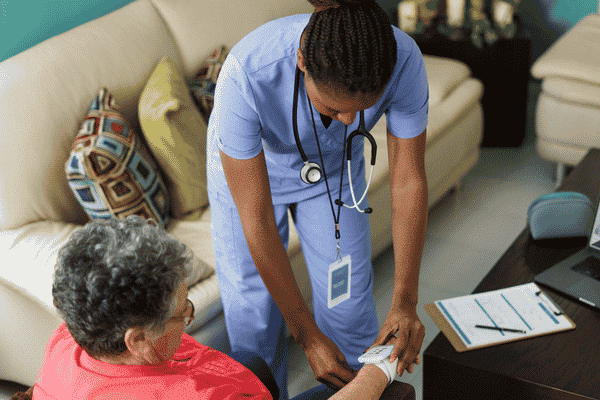
Picture a home health aide working full time, raising two kids, paying for licensed childcare so she can get to her shifts.
She’s not in crisis today. But one late paycheck from her employer, one childcare gap, or one rent increase could change that.
This is the kind of household our strategy is built around, and it’s why we’ve sharpened how we invest to reach her before a manageable setback becomes a crisis.
Coordinated investment in these three areas addresses barriers to economic mobility from different angles. As we continue to assess needs in Greater Cleveland, we will remain responsive to where the greatest impact can be made to support families on their journey from crisis to stability to possibility.
A Closer Look: The Tools Within the Strategy
United Way’s impact tools are a comprehensive approach to providing the right help at the right time to hardworking families on their journey of economic mobility. Our strategy approaches economic mobility from multiple angles and meets families where they are in the moment.
Our roles as a direct service provider, investor, partner, and advocate take shape across four key areas:
The front door to support, resources, and connection for anyone in need of help.
Strategic Investments & Partnerships
A multi-pronged approach that includes annual commitments to federated partners, investments in Economic Mobility solutions, and ongoing initiatives like Family Stability Initiative and Tenants’ Resources.
Like our Bridges@Work program, provides on-the-job coaching, retention support, and advancement help delivered at the workplace.
Works to address systemic barriers, like the Benefits Cliff, that no single investment can fix on its own.
The Data Behind The Strategy
This strategy is grounded in data at every stage, from identifying where needs are greatest to evaluating how well an investment is performing in real time.
We use United Way 211 call data, the ALICE Report, census data, and input from our community partners to identify what families are struggling with, where unmet needs persist, and how we can close those gaps. Then, for every solution, we track its performance in regular reporting periods. Each individual investment is evaluated, as well as overall progress toward our larger goals.
This ongoing review allows us to direct and scale practical solutions with the strongest demonstrated results.
The Strategy, in Short
Our investments centered on housing, workforce, and childcare are backed by real-time data and delivered alongside four coordinated tools: United Way 211, strategic investments and partnerships, employer-based solutions, and public policy advocacy are designed to meet working households where they are and provide Greater Clevelanders the right help at the right time.