PUBLIC POLICY
Report to the Community 2024-2025
At United Way of Greater Cleveland, we invest in people’s capacity not just to get by, but to get ahead.
Our advocacy spans local, state, and federal levels, powered by ALICE and 211 data. We partner with government, business, nonprofit, and community leaders to advance solutions such as addressing benefits cliffs, enhancing 211, and promoting income generation and wealth building.
2025 OHIO UNITED WAY ALICE POLICY SUMMIT
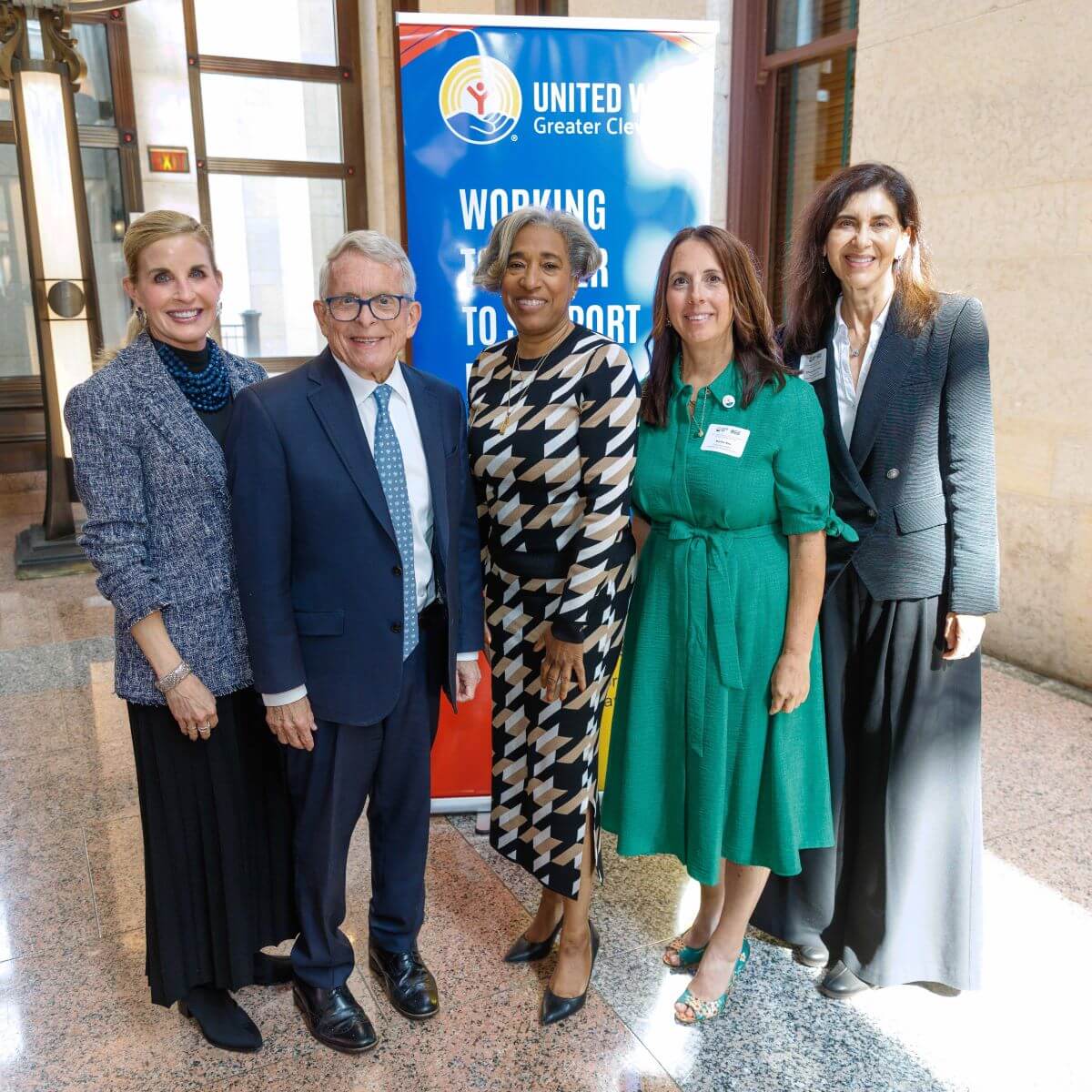
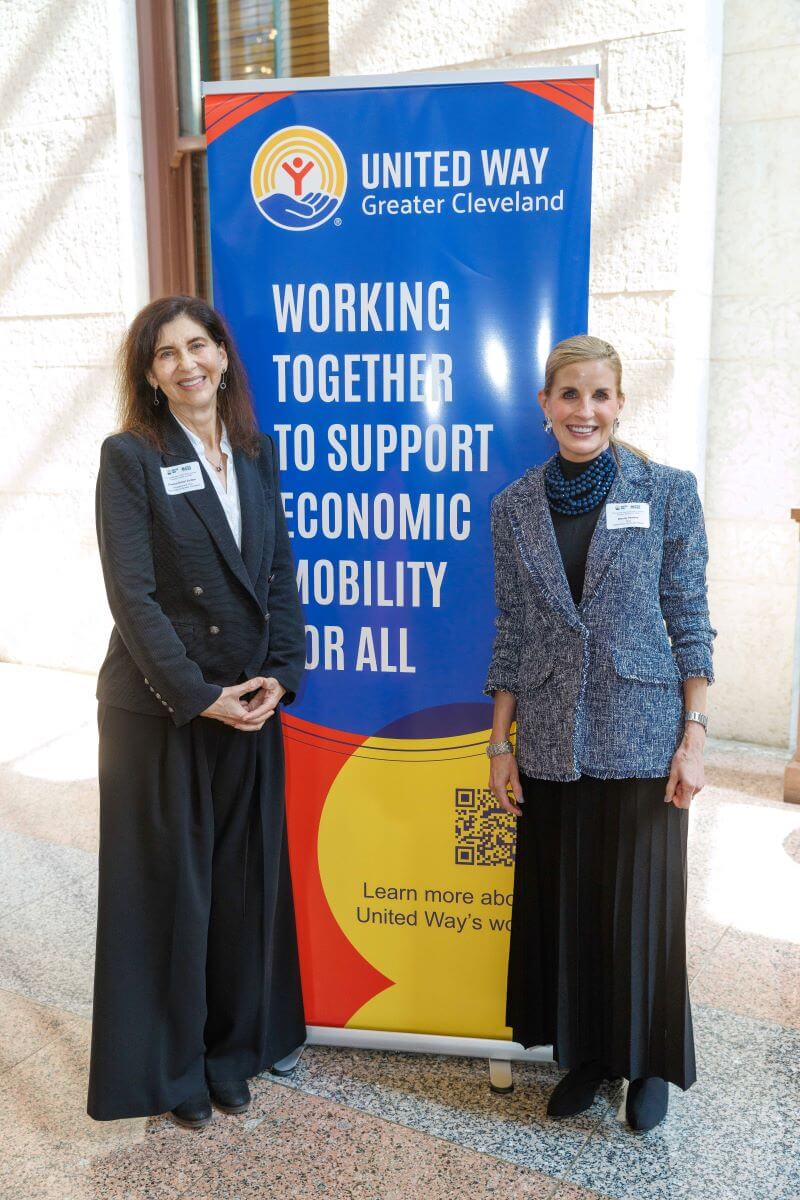
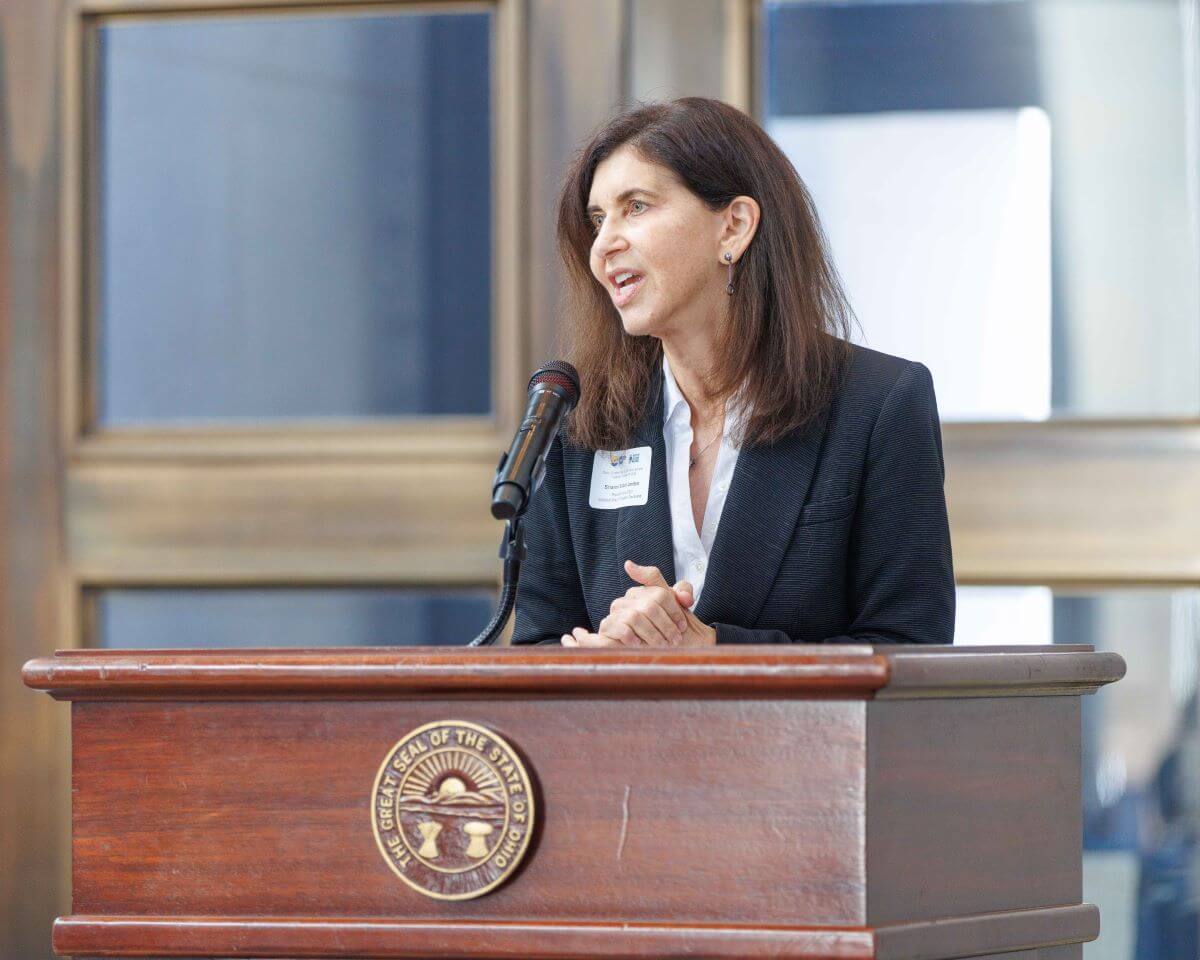
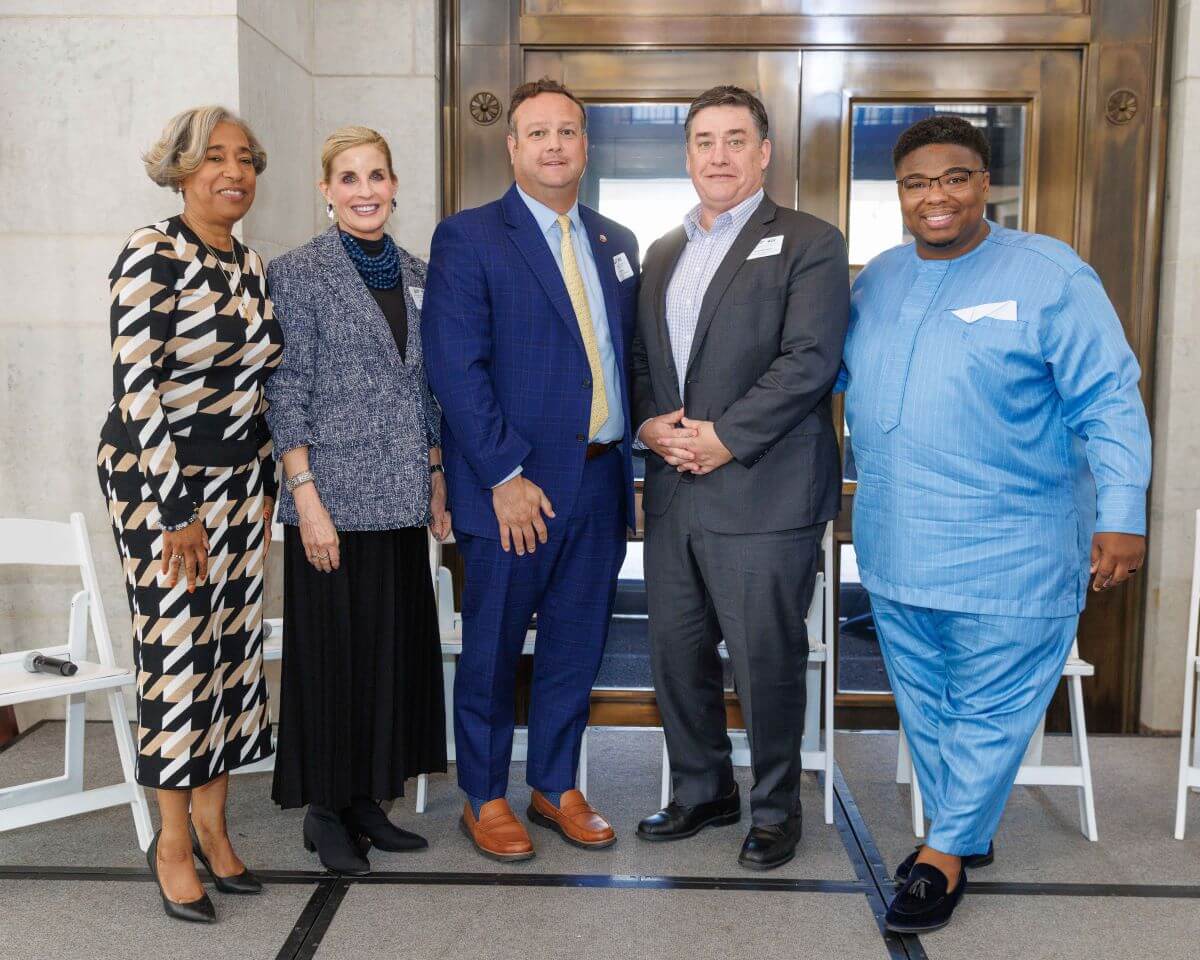
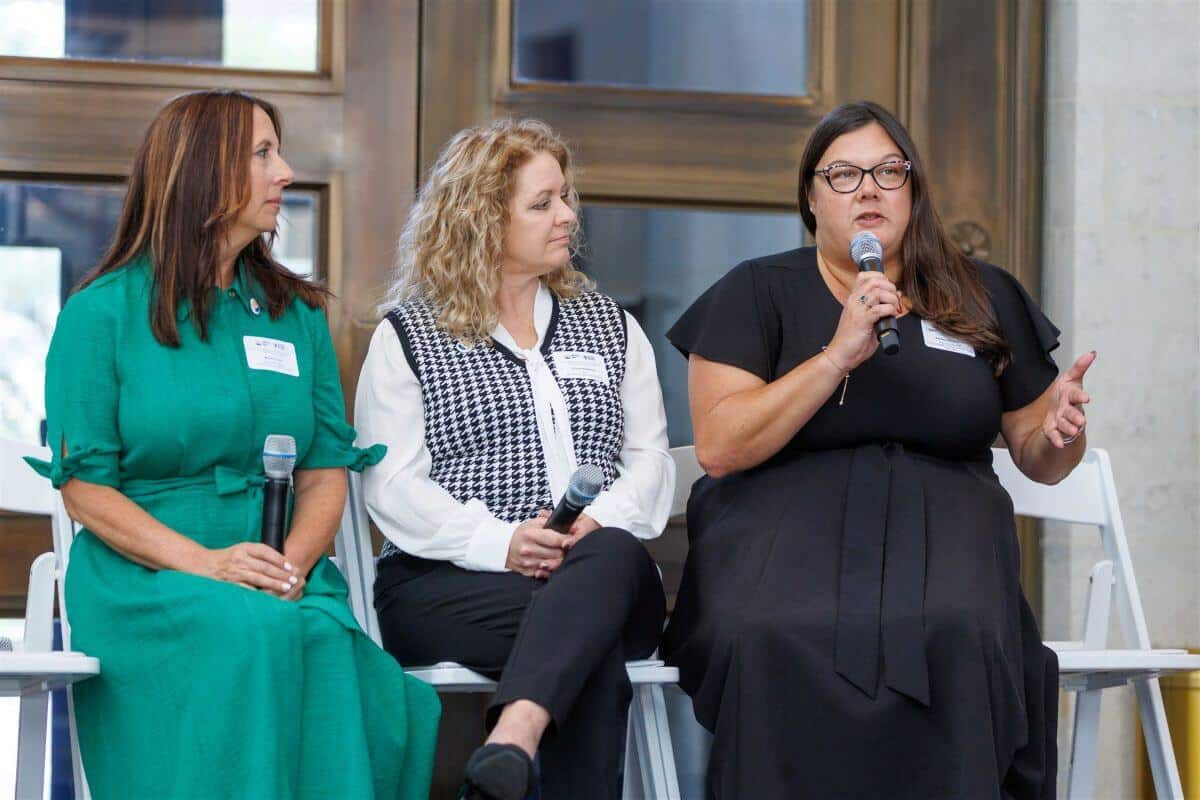
The ALICE Policy Summit in Columbus brought together over 200 business leaders, policymakers, United Way colleagues, and partners to share strategies that address barriers to economic mobility.
Highlights included remarks by Governor Mike DeWine, who underscored the urgency of reducing benefits cliffs, and Board Chair Vanessa Whiting, who discussed how employer supports, such as car-repair assistance, flexible scheduling, and transportation stipends, can work alongside state policy.
HIGHLIGHTS OF OUR FY2025 ADVOCACY WORK
State
Led a coalition of 211 operators and United Ways to advocate for $2M in annual state funding for Ohio 211, meeting with more than 70 legislators and testifying before the Ohio Senate Health Committee.
Federal
Engaged the White House, Ohio Delegation, and congressional staff on benefits cliff legislation, the Child Tax Credit, and the $250M HELP Act to strengthen 211 nationwide.
Local
Shared ALICE and 211 insights with officials from the city of Cleveland and Cuyahoga and Geauga counties, shaping discussions on health and human services.
Executive Engagement
Worked with administrators across all levels of government to assist with ensuring individuals maintain health and food assistance as changes to Medicaid and SNAP roll out.
Community Conversations
Hosted virtual sessions with 400+ participants on benefits cliffs and the Child Tax Credit, culminating in the Ohio United Way ALICE Policy Summit at the Statehouse.
Through this work, United Way of Greater Cleveland ensures that data-driven insights and community voices shape the policies and systems that help families achieve stability and lasting financial security.